
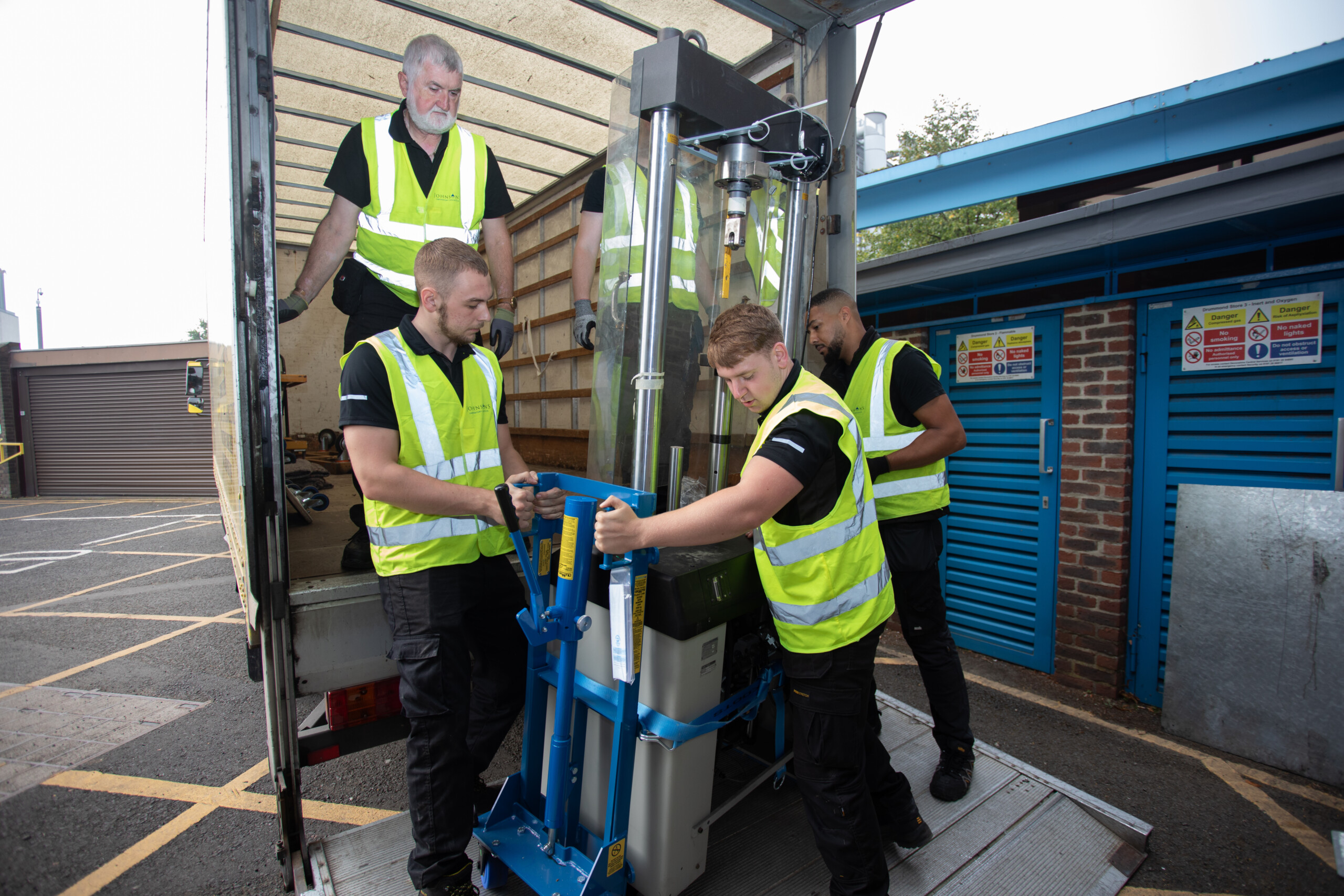
Laboratory relocations are among the most complex and high-risk moves any organisation can undertake. Unlike traditional office moves, laboratory environments contain sensitive research, hazardous materials, temperature-critical samples, and highly specialised equipment. Without robust business continuity planning, even a short period of disruption can result in lost data, compromised samples, regulatory breaches, and major financial impact.
This article explores why continuity planning is essential during laboratory relocation projects and how specialist lab logistics providers protect research, operations, and compliance at every stage.
Why Laboratory Relocation Carries Higher Risk Than Standard Business Moves
Laboratories operate in tightly controlled environments. Any interruption to power, temperature, security, or safety systems can have immediate and irreversible consequences. Common risks during poorly planned lab relocations include:
- Sample degradation or loss
- Equipment misalignment or damage
- Chemical exposure incidents
- Contamination of clean environments
- Regulatory non-compliance
- Project and research delays
Unlike office disruption, laboratory downtime can set back months or years of work.
What Business Continuity Means in a Laboratory Environment
Business continuity in laboratory relocation is not just about keeping desks operating. It means protecting:
- Critical research programmes
- Clinical trials and regulated testing
- Intellectual property
- Live samples and reagents
- Staff safety
- Data integrity
A specialist laboratory relocation strategy ensures that essential scientific activity continues with minimal interruption before, during, and after the move.
Phased Laboratory Moves Reduce Operational Risk
One of the most effective continuity strategies is phased relocation. Instead of stopping all activity at once, key workflows are maintained while different laboratories and departments are transitioned in controlled stages.
Benefits of phased lab moves include:
- Reduced downtime for core research teams
- Ability to validate new spaces before full occupation
- Better environmental stabilisation
- Improved risk isolation
- Greater control over regulatory checks
Each phase is planned around scientific priorities rather than pure logistics.
Protecting Samples, Reagents, and Temperature Controlled Materials
Many laboratory relocations involve ultra-low temperature freezers, cryogenic storage, incubators, and cold chain materials. Any temperature excursion can permanently damage irreplaceable samples.
Continuity planning includes:
- Live environmental monitoring
- Validated transit routes
- Backup power planning
- Dry shipper and cold chain logistics
- Emergency response protocols
Specialist lab logistics providers treat sample protection as a mission-critical process, not just a handling task.
Equipment Decommissioning, Transport, and Recommissioning
Laboratory equipment relocation requires specialist engineering knowledge. Incorrect disconnection or reinstallation can invalidate calibration, compromise performance, and breach regulatory compliance.
Continuity protection includes:
- OEM approved decommissioning
- Cleanroom and controlled environment handling
- Vibration controlled transport
- Revalidation and recertification
- IQ, OQ, and PQ support where required
This ensures that dislocated equipment returns to full operational readiness as quickly and safely as possible.
Regulatory Compliance and Chain of Custody
Laboratory relocations operate under strict regulatory frameworks including:
- GLP
- GMP
- MHRA
- ISO standards
- Health and Safety legislation
Business continuity planning must include full chain-of-custody documentation for:
- Samples
- Chemicals
- Controlled drugs
- Hazardous waste
- Sensitive data
Documented audit trails protect organisations from regulatory breaches and reputational risk.
Data, IT, and Instrument Connectivity
Modern laboratories are digitally driven. Instruments, LIMS platforms, monitoring software, and security systems must all be maintained throughout the move.
Continuity planning includes:
- Pre-move IT migration mapping
- Instrument data protection
- Network readiness at the new site
- Access control and security continuity
- Cyber security validation
Without this integrated approach, laboratories risk critical data loss or system failure.
Sustainability and Responsible Laboratory Clearance
Laboratory relocation also presents an opportunity to improve sustainability performance. Planned clearance allows organisations to:
- Reuse surplus laboratory furniture
- Redeploy functional equipment
- Recycle compliant materials
- Safely dispose of chemical waste
- Improve ESG and carbon reporting
Unplanned laboratory clearance often leads to unnecessary incineration and landfill.
Why Specialist Lab Logistics Providers Are Essential
General business movers are not equipped to manage the risks of scientific environments. Specialist laboratory logistics providers offer:
- Trained lab relocation technicians
- Hazardous materials handling
- Cleanroom compliant transport
- Cryogenic logistics expertise
- Regulatory documentation
- Integrated engineering, IT, and asset management
This specialist model ensures that business continuity is protected at every level.